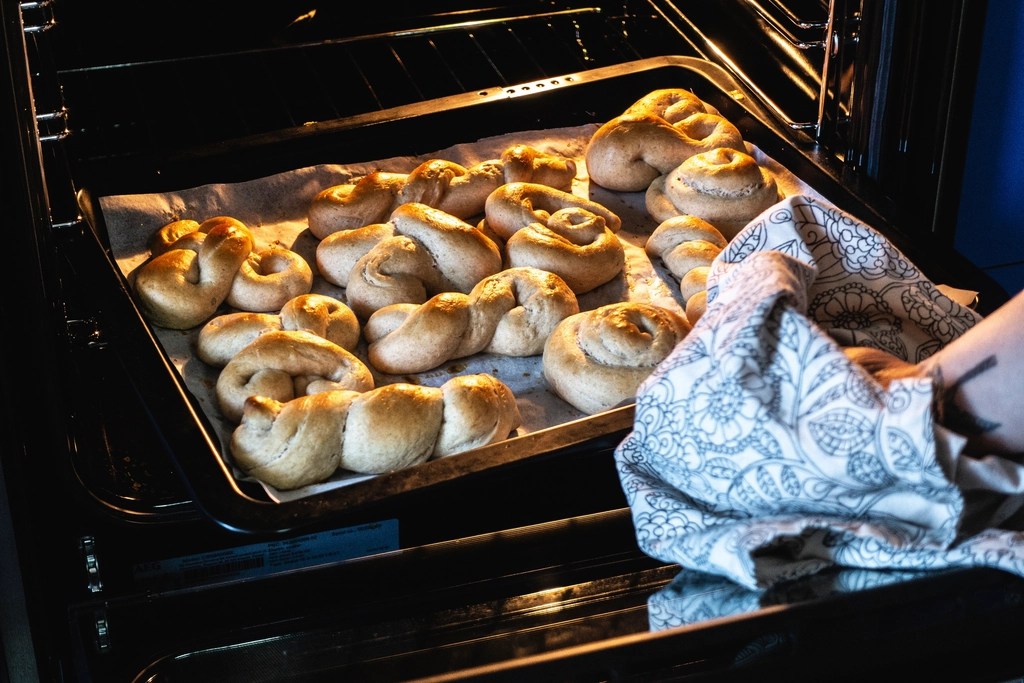
Baking is a pleasure.
A sweet one, at that.
There is something that is exhilirating about deciphering each recipe like a magical code to understand the secrets of creating something coherent and tasteful from bland compound ingredients.
Baking as a child always brought me a comfortable sense of focus. There was a clear mission: make a cupcake.
Here’s the first objective- go find the ten ingredients needed.
But there’s a catch-
You only get to use what you have in your pantry, and you have 30 minutes maximum to prepare the mix, lest you neglect the oven time.
This challenge of finding the perfect ingredients from a scatter of options in my pantry brought a rush of adrenaline.
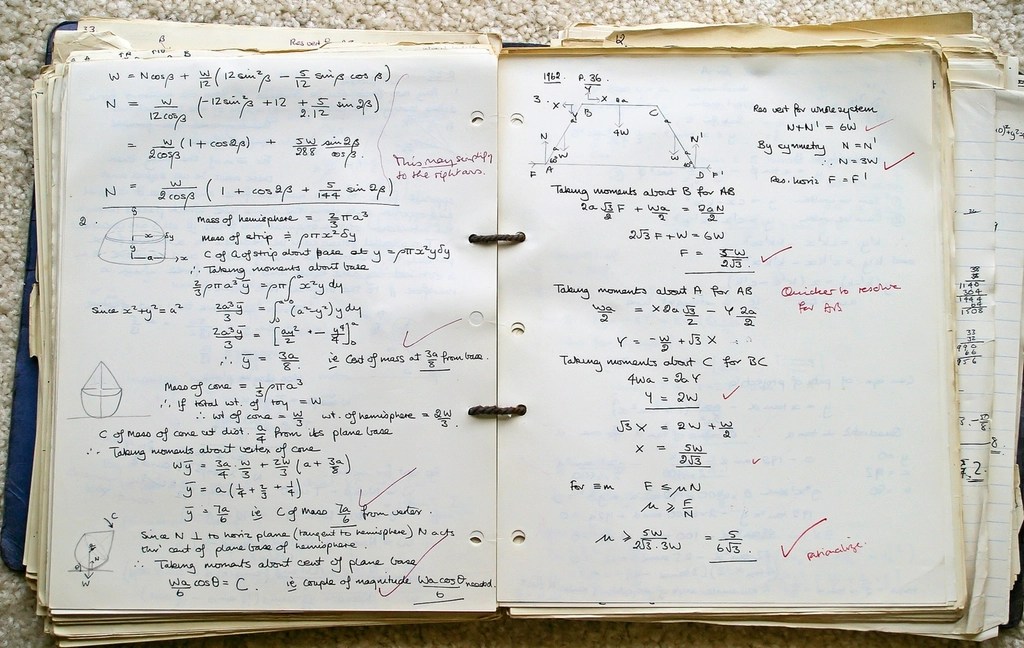
Yet when I am given a set of problems and again, given limited answer choices with a time limit, I find the math foreign.
My eyes glaze over the page, and I lose focus easily. It seems there is a psychological barrier keeping me from meddling with the problem, understanding its kinks, and even accepting the possibility that if I spent enough time with it, the answer would come.
There is a certain trust we must place into the art of outcomes.
The trust does not come from depending on and ensuring the outcome, but it comes on the observation of characteristics, and the calm pursuit of easier and even pleasureful ways of solving the problem.
The outcome of success of the math problems on my paper holds a great emotional weight to me, and creates an excess potential of possibility for the gratification I am hoping to yield from the outcome to go strongly in the opposite direction. I ask myself- “Will I survive if this outcome reflects poor performance?”
“Will my grade and future schooling possibilities be okay?”
And many times I say no.
Yet, when I think about making croissants, it’s a different story.
I print the page of the recipe and carefully decipher each detail.
Every ingredient is checked off and ensured.
Then I carefully mark the steps-
Mix dry ingredients, add the boiling water, knead the dough, etc.
Somehow time slows. I trust the recipe. Although it may not be a near perfect replica, I know that by the laws of chemistry, what I input to the baking pan must transform into a baked good.
And the best part?
There is no stress about perfection.
Each croissant may look a little bit different.
I trust the outcome will show- by the laws of chemistry- the dough will rise.
So I allow myself to love the process.
I become obsessed with mixing the butter into the flour mix, enjoy kneading the cold dough with my hands, and shaping the little croissants into shape. I don’t ‘stress about how the oven might not bake the croissants, or that maybe the brand of flour I used was slightly too bleached for the perfect outcome.
These are detailed factors that play a role, and might I have the foundations to set myself as a professional baker, I could prioritize these details as my main area of focus.
But I am not a professional baker.
So maybe,
because I am not a professional mathematician, I can afford to let go of the details that make the barrier of problem solving so hard to leap.
Just solve the problem.
Focus on the basics.
The foundation is often not that difficult to decipher, and with a solid recipe, your dough will rise.
 Escapade
Leave a comment